The building
Dwelling or building coverage generally concerns the physical structure and attached components. The exact covered causes of loss, limits, and settlement terms come from the policy.
Property insurance can protect a building, the belongings inside it, or both. A home inventory connects BelongLog to one important part of that picture: documenting personal property before a loss makes coverage reviews and claim conversations less dependent on memory.
Educational information only. BelongLog is not an insurer, agent, adjuster, or professional coverage adviser.
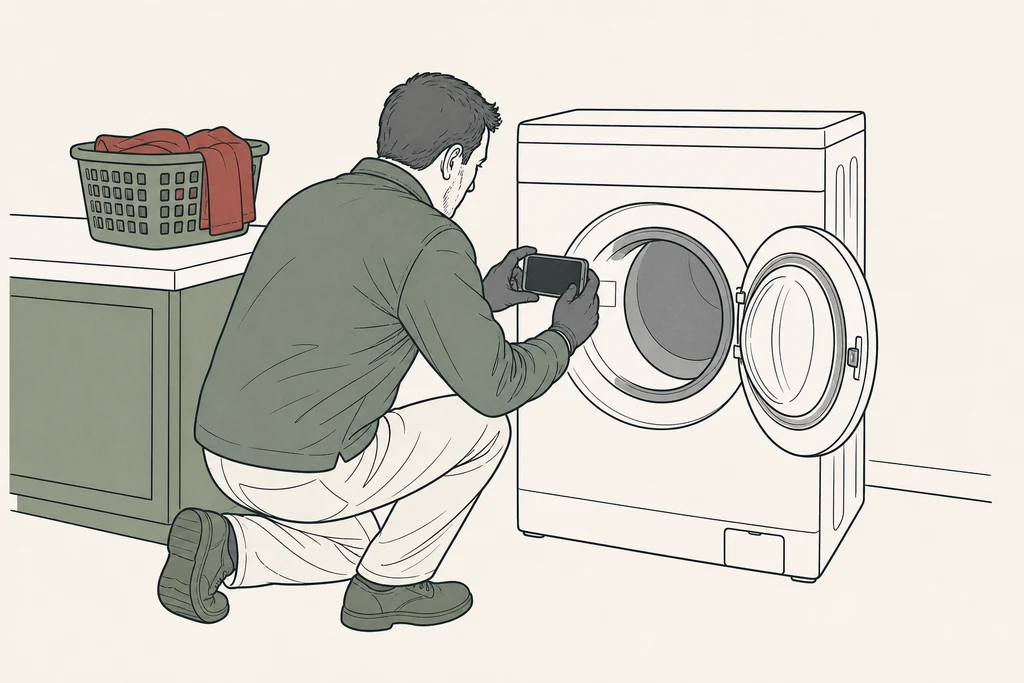
A personal property inventory helps you estimate the value of belongings that may need coverage and preserves details that can support a claim: what the item is, where it was kept, what it looked like, identifying numbers, and an estimated value. It does not determine whether a loss is covered. The policy, insurer, and facts of the loss control that decision.
The phrase covers several products and protections. BelongLog focuses only on the documentation layer, so start by identifying the policy you actually have and the property it covers.
Dwelling or building coverage generally concerns the physical structure and attached components. The exact covered causes of loss, limits, and settlement terms come from the policy.
Furniture, electronics, clothing, appliances, and other belongings may be covered subject to deductibles, exclusions, sublimits, and the difference between replacement cost and actual cash value.
Many residential policies also address personal liability and additional living expenses. These protections are separate from documenting the items inside the home.
Start with expensive or difficult-to-identify items, then work room by room. A complete record is useful, but a smaller record you maintain is better than an ambitious spreadsheet you abandon.
Photograph rooms and valuable items, record serial numbers, review replacement costs, ask about category sublimits, and keep an export somewhere the same event cannot destroy it.
Follow emergency guidance first, prevent further damage only when it is safe, contact the insurer promptly, preserve receipts and photos, and use the inventory as supporting documentation when requested.
Property insurance is a broad category of coverage for buildings, personal belongings, or both, depending on the policy. Homeowners, renters, condo, landlord, and commercial policies use different forms, limits, exclusions, and claim rules.
No. Coverage depends on the policy, cause of loss, deductible, limits, exclusions, and special sublimits for some categories. Review the declarations and policy with a licensed insurance professional.
An inventory helps estimate how much personal property coverage may be needed and gives you an organized record of ownership, item details, photos, and values if a covered loss occurs.
No. An inventory is supporting documentation, not a coverage decision or official claim form. The insurer determines coverage and may request additional records.